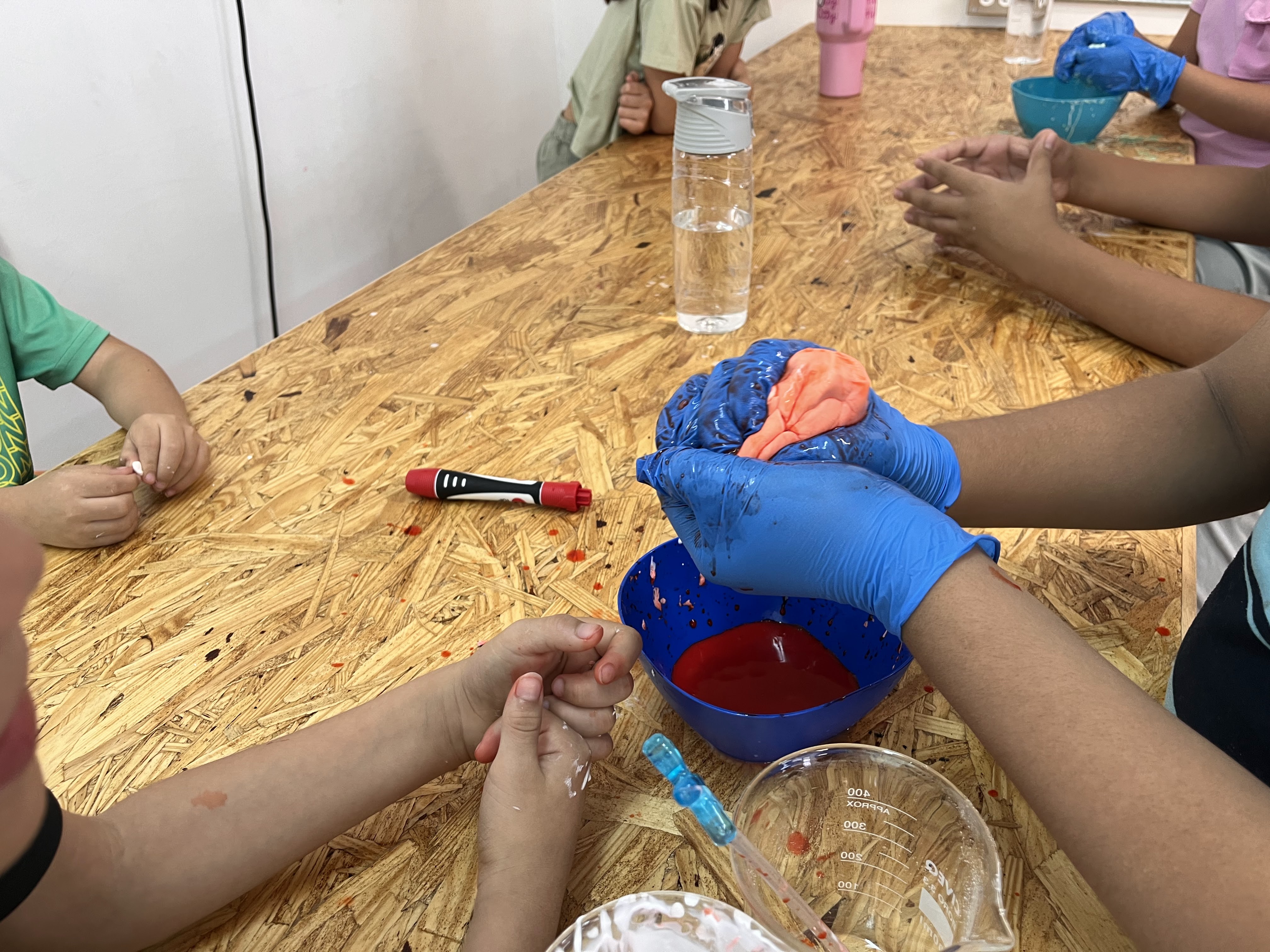
Scientific Thinking is a tool to understand the world through observation, experimentation and analysis. This approach is characterized by seeking verifiable answers based on facts and evidence, not only applicable in the laboratory, but also in everyday life.
Scientific thinking can be characterized by the following four concepts:
1. Objectivity: Results should be based on facts, not personal opinions. 2. Systematicity: A structured approach, based on the scientific method. 3. Logical Reasoning: Every result is derived from a logical sequence based on evidence. 4. Verifiability: The conclusions must be able to be replicated by other researchers.
How is scientific thinking developed?
Scientific thinking is not something we necessarily have from birth. This type of thinking can and should be developed from an early age through education and practice. Children and adults alike can learn to apply the scientific method to address questions and problems.
In our course, we use the following tools that help us achieve the above:
1. Asking questions: Encourage curiosity and questioning. 2. Design of experiments: Develop hypotheses and test them rigorously. 3. Data analysis: Interpret the results and draw objective conclusions. 4. Communicating results: Communicate findings clearly and effectively.
About the Course
The main objective of the course “Scientific Thinking: From Theory to Practice” is to teach young people how to use this way of thinking to solve real, everyday problems.
This course seeks to awaken young people’s interest in careers in science, technology, engineering, art and mathematics (STEAM Knowledge). These disciplines not only offer opportunities for personal and professional development, but are vital for global progress and well-being.
What does the course include?
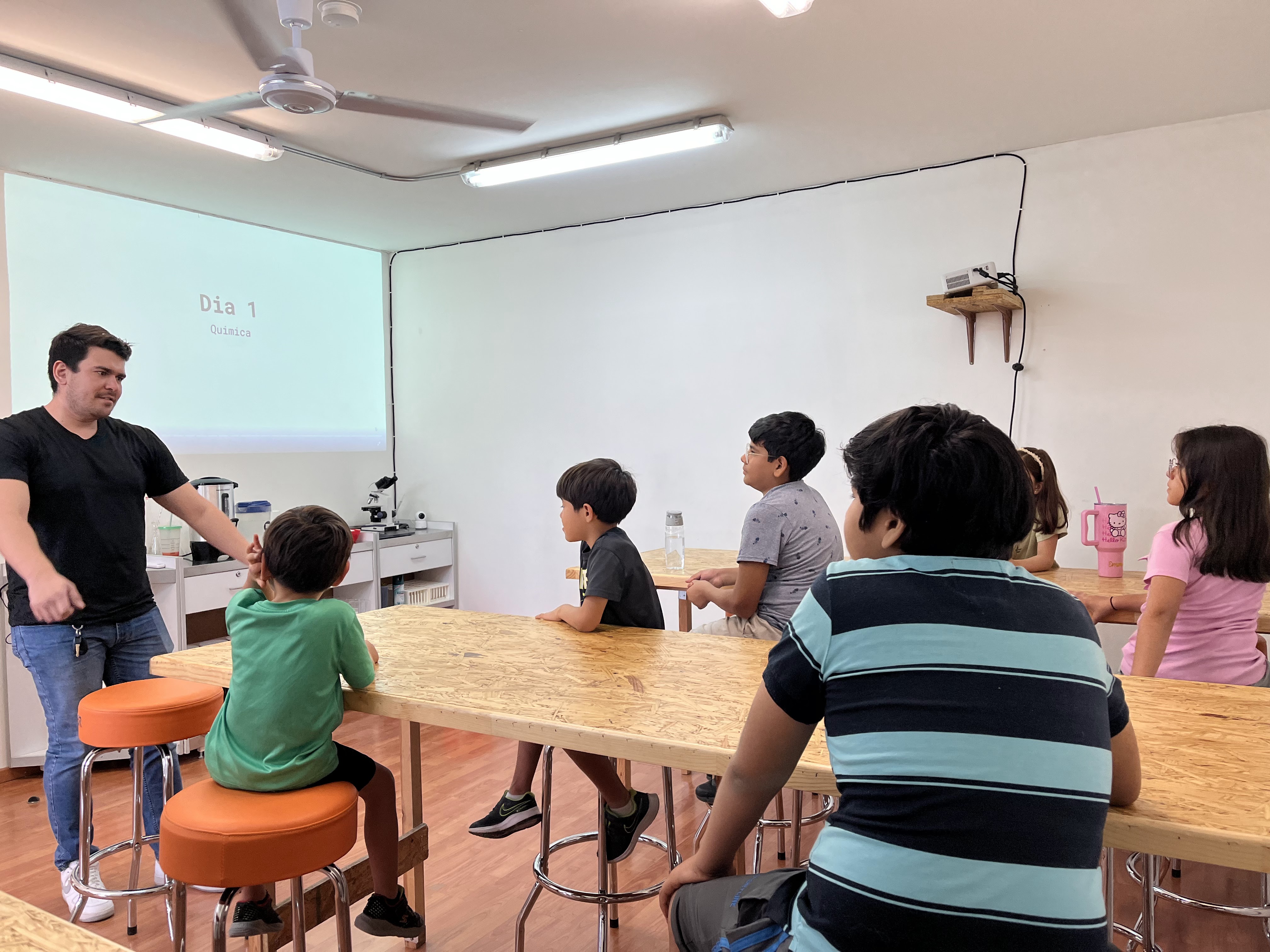
During the course, we teach participants to apply these characteristics through practical exercises in areas such as physics, chemistry and biology.
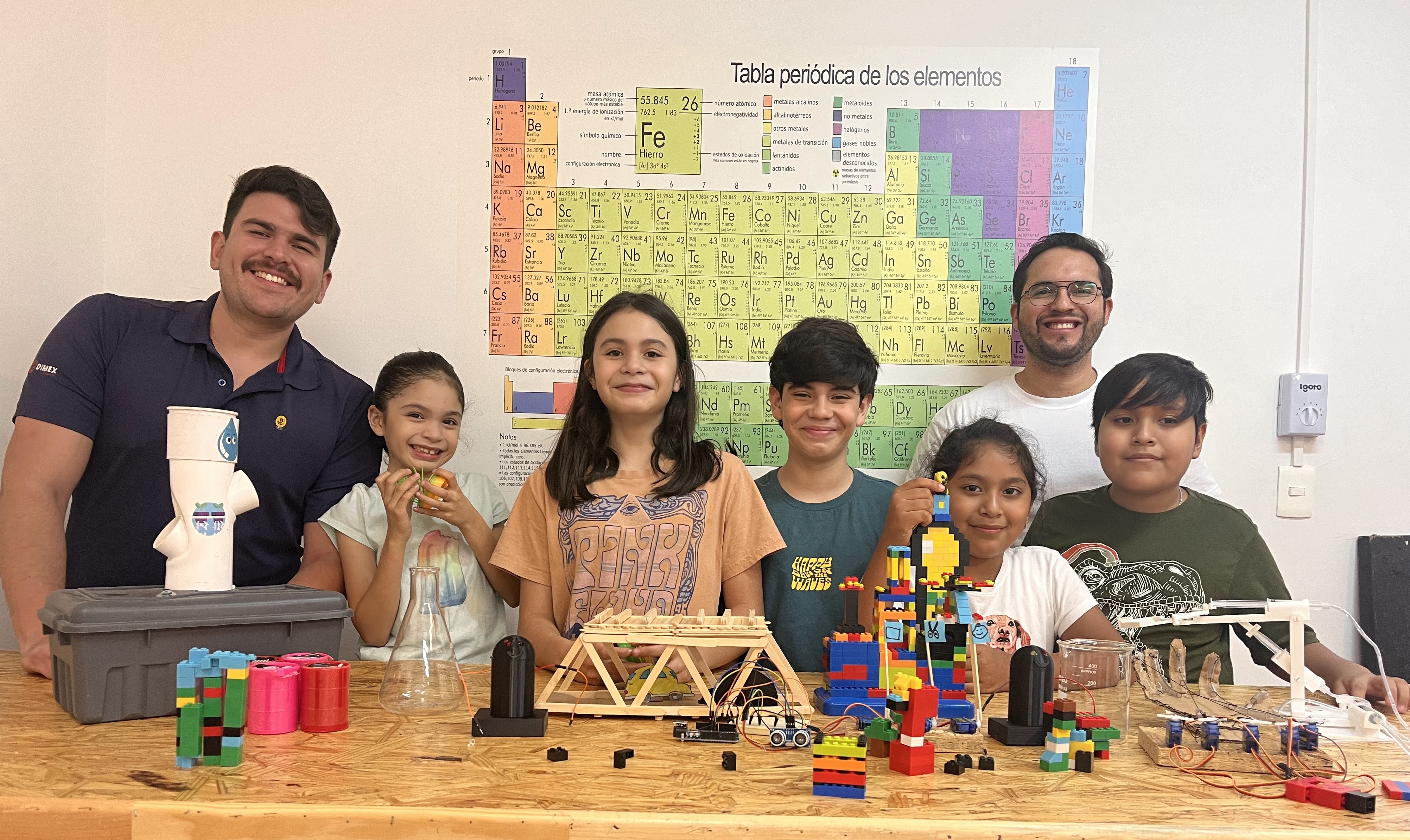
Students will perform more than 20 fun experiments accompanied by knowledge that will help them motivate themselves and understand how science and scientific thinking can be applied in everyday situations in the following areas:
I. Science
—Chemistry 1. Chemical elements. 2. Oxidation and combustion.
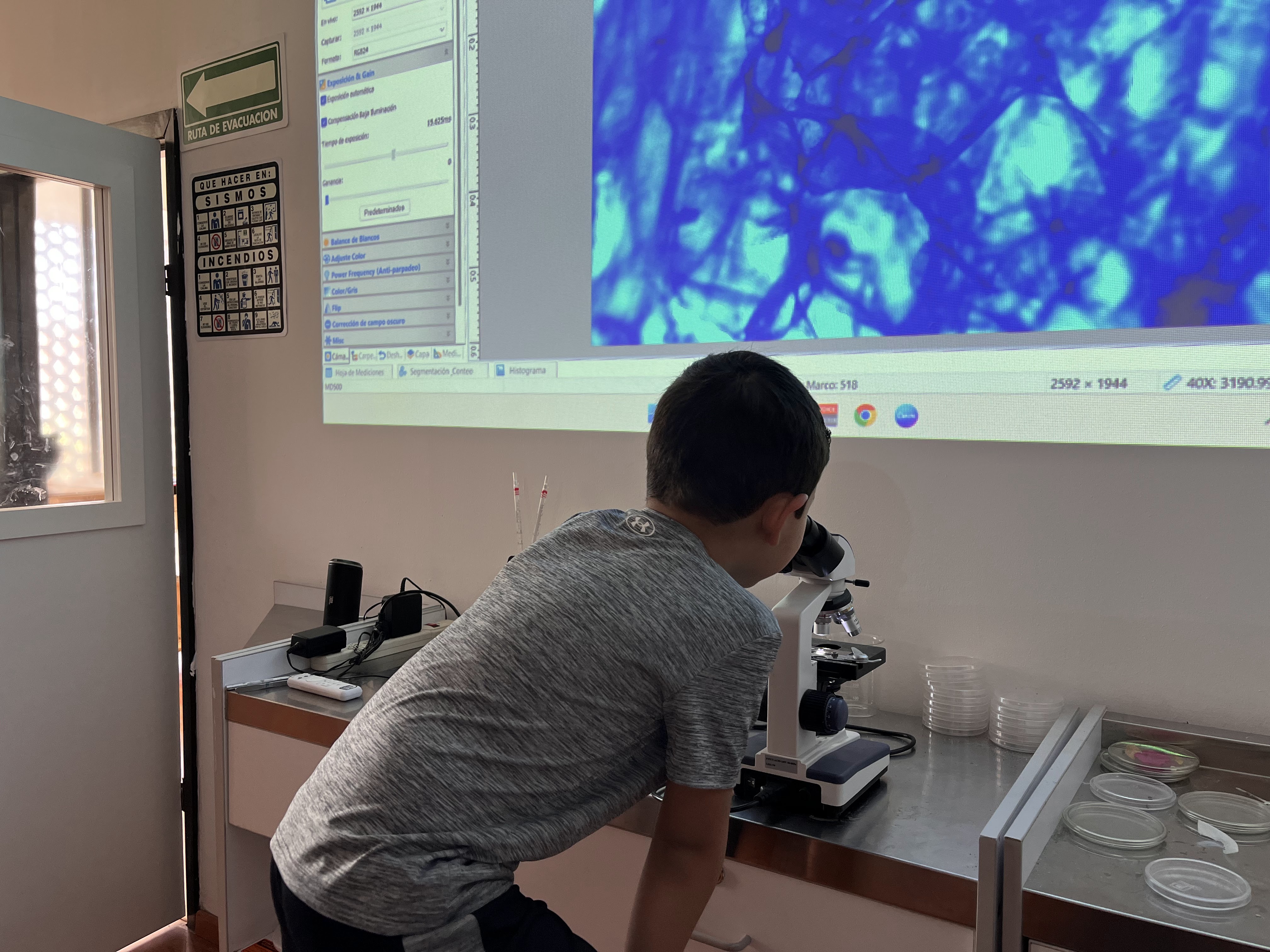
—Biology 1. Investigating with the microscope. 2. Extraction and study of DNA. 3. The human body.
—Environment 1. Hydroponics. 2. The ground. 3. Water Chemistry.
II. Technology
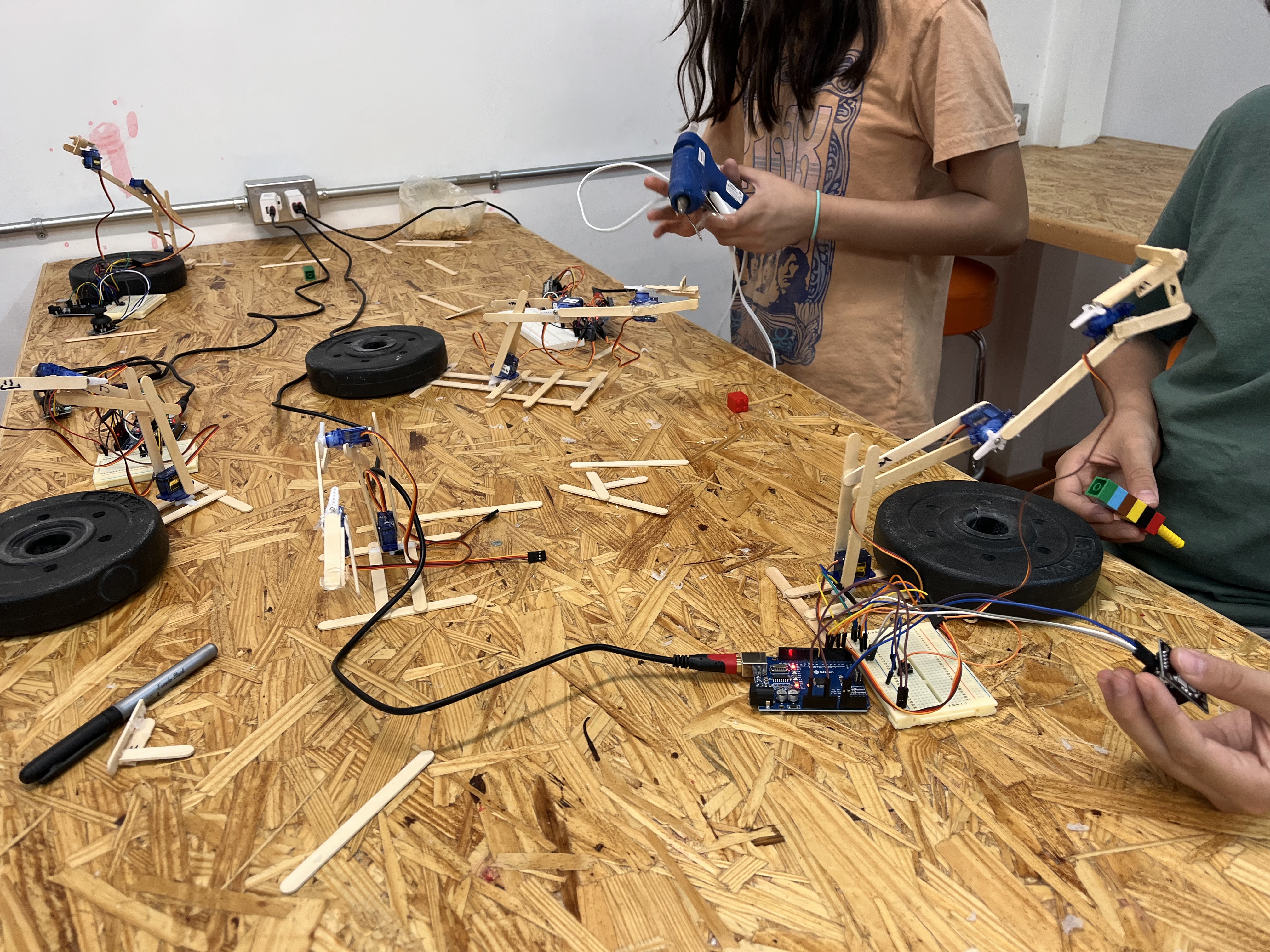
1. Robotics
III. Engineering
1. Bridge design. 2. Hydraulic machines.
IV. Art
1. Brainstorming. 2. From brain to reality.
V. Mathematics
1. Units of measurement. 2. Metrology.
When is it? What does it cost? How do I register?
Dimex is a Civil Association that operates with donations from companies and organizations. With these donations, we take care of planning dates for these courses and we publish them so that you can see the details and sign up.
Below we show you the most recent courses with their publication date, costs (some are free) and instructions for enrolling. Visit the most recent ones to find out the registration deadline dates:
I want to sponsor a course or I want to give scholarships to students.
If you are part of a company, organization or foundation and you are interested in sponsoring a scientific thinking course for your company and/or your community, we can help you.